WYNWOOD DISTRICT
MIAMI, FL
30+
BUILDING PORTFOLIO
400K+
SQUARE FEET
2014
MASTER PLAN ADOPTED
400
ACRE DISTRICT
A DISTRICT IN DECLINE
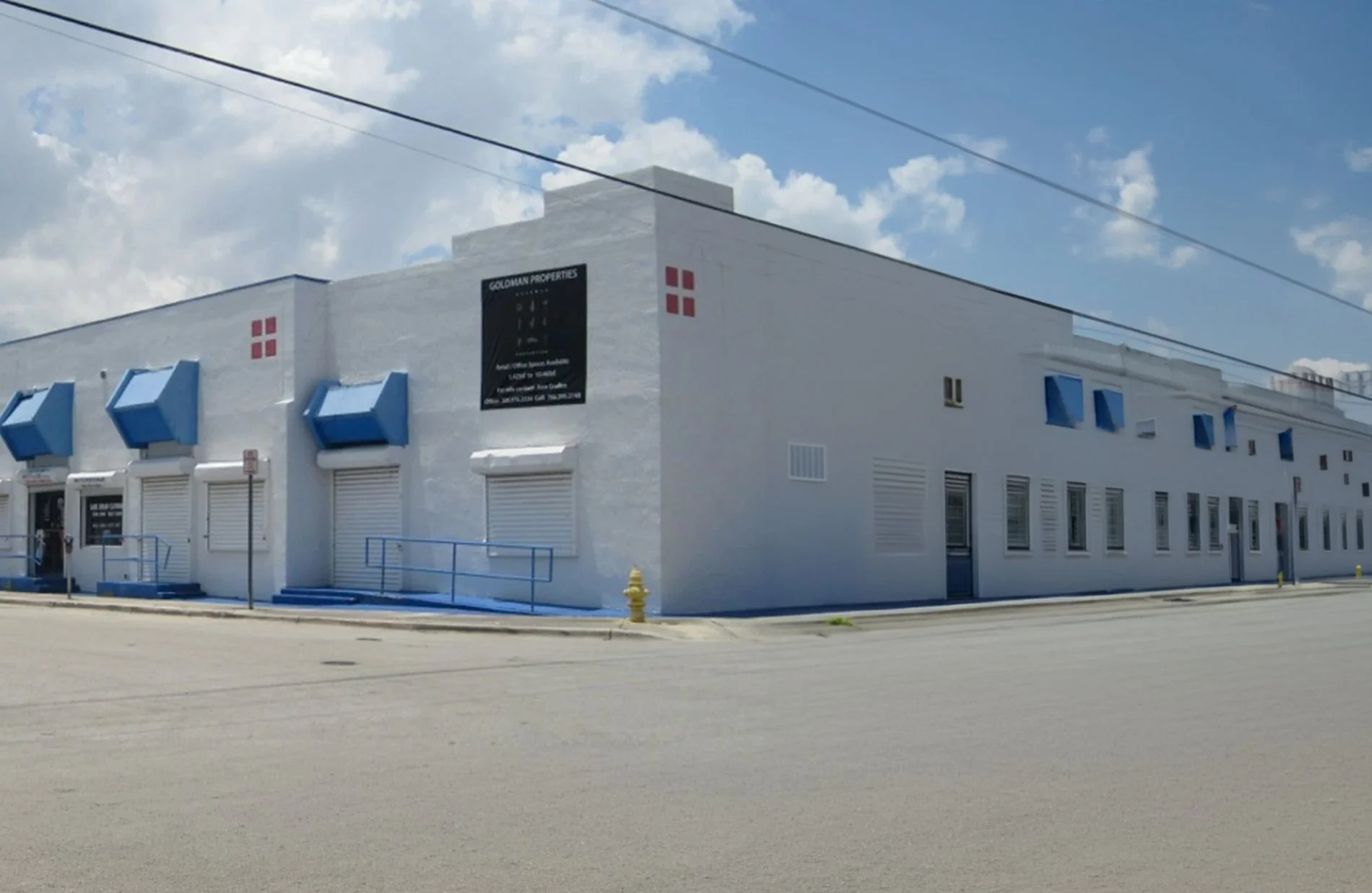
By the early 2000s, Wynwood was a neighborhood in decline. Once the third largest garment district in the United States, Wynwood had been hollowed out over decades by globalization and economic shifts. What remained was an urban landscape of underutilized warehouses, fragmented ownership, and falling property values.
Emptiness created opportunity. The blank walls of the abandoned buildings became canvases for graffiti, signaling both neglect and potential. Goldman Properties began acquiring properties in the early 2000s, ultimately assembling more than 20 buildings and outlining a master plan for an artistically driven neighborhood centered on art and culture.
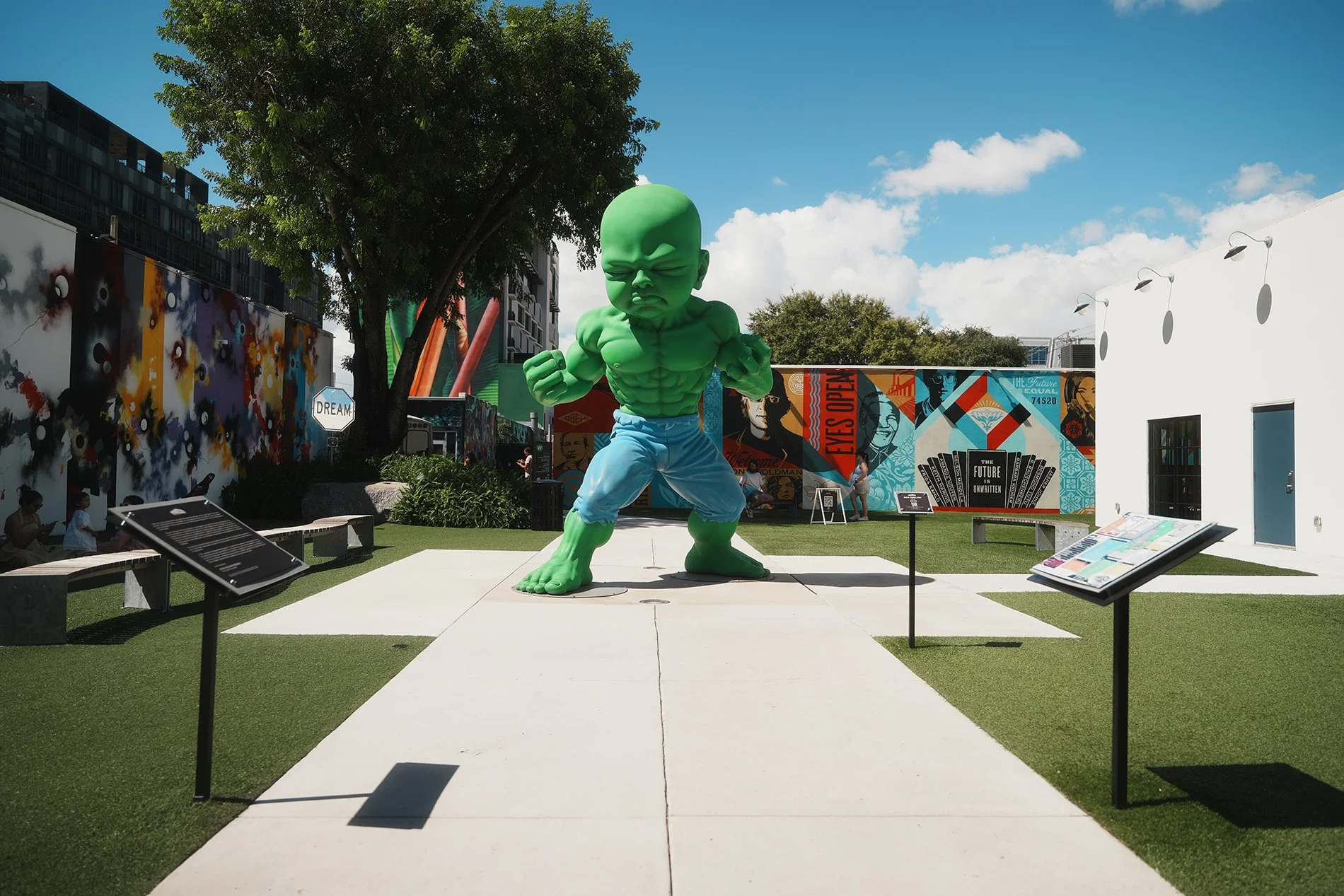
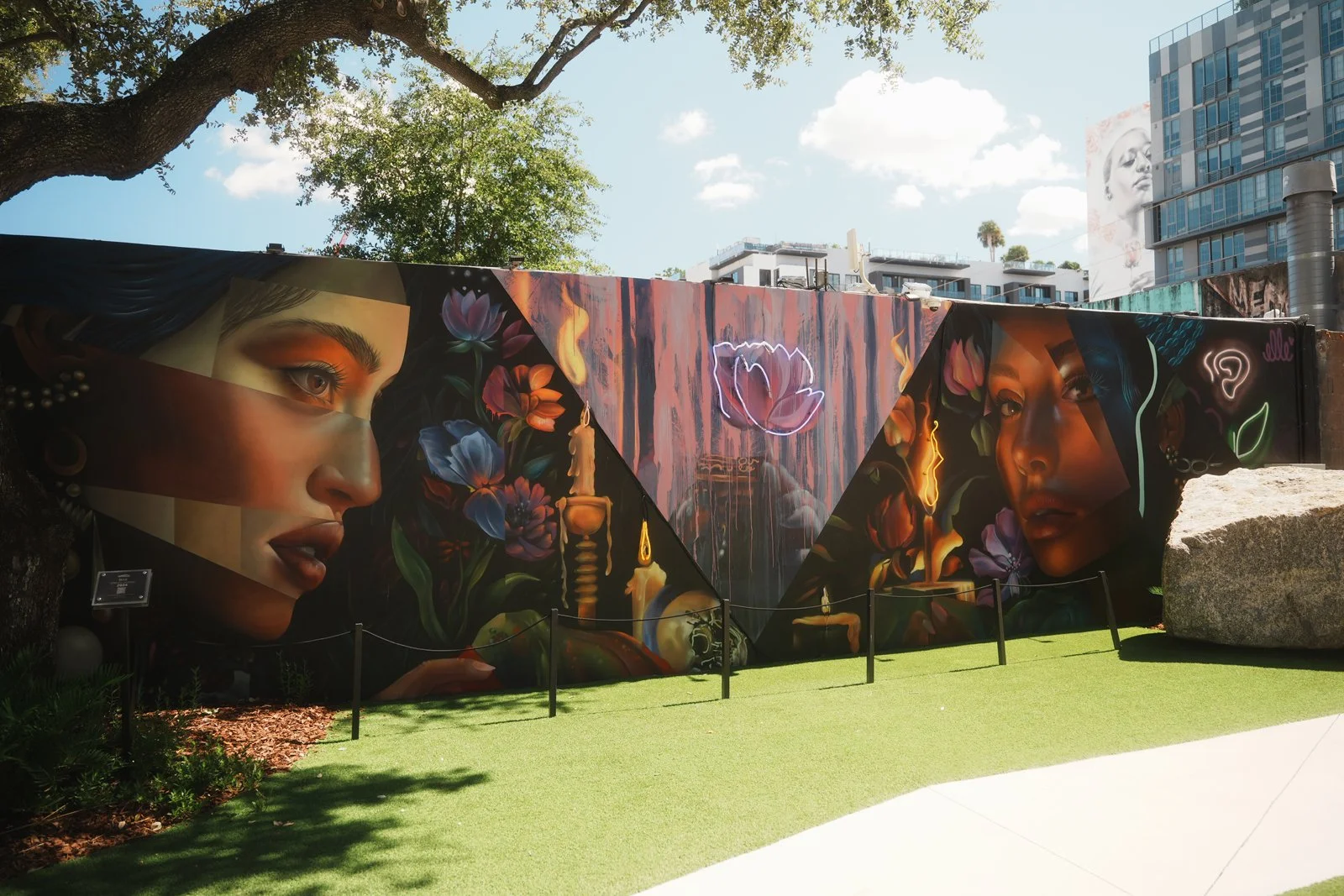
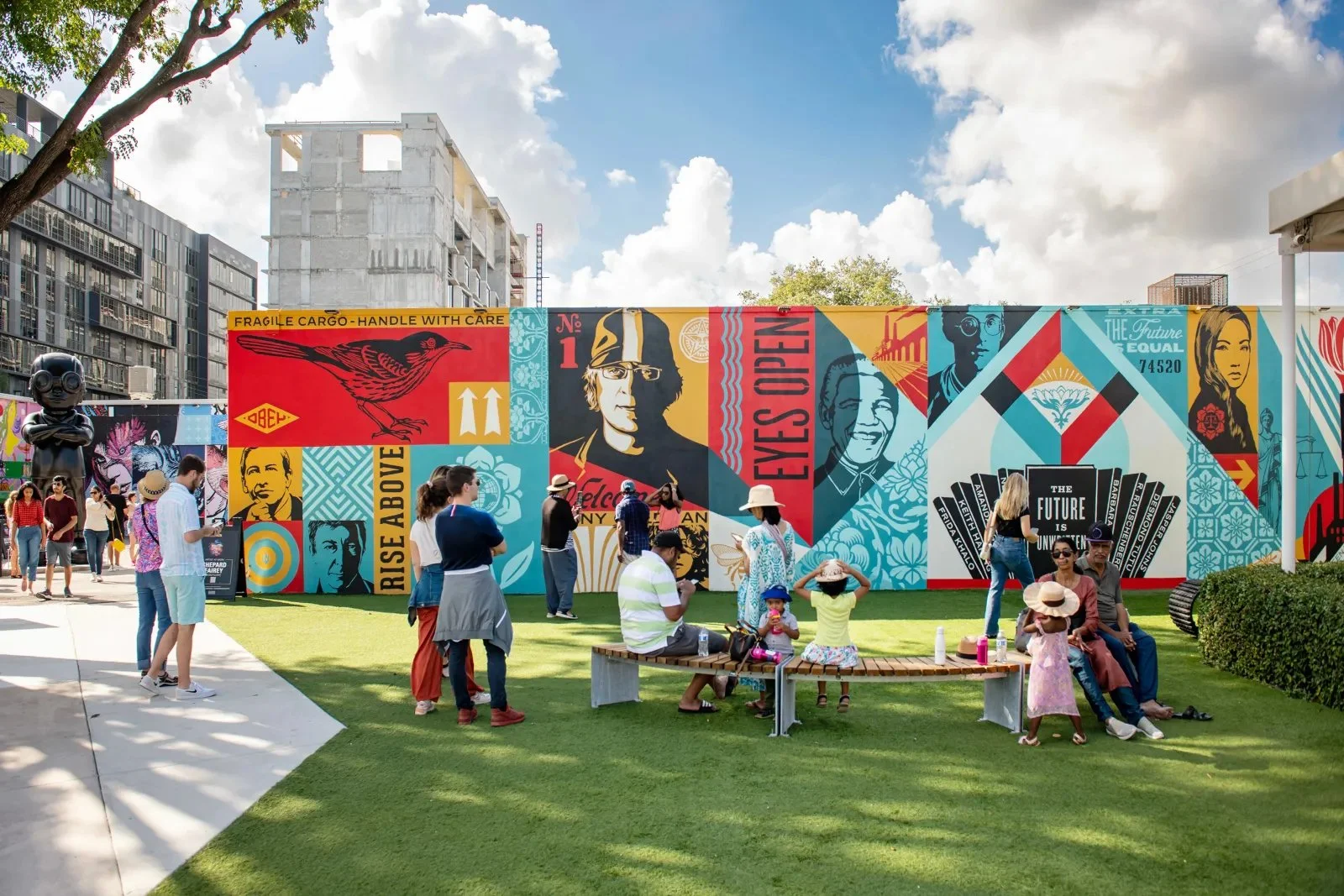
In 2009, Tony launched the Wynwood Walls, converting warehouses into a global outdoor canvas for graffiti and street artists. The project became an international destination almost overnight — Wynwood's identity had shifted from a largely vacant industrial neighborhood to a fully activated commercial district.
OUR ROLE
Managing Partner, Goldman Properties; Founder & Chair, Wynwood Business Improvement District

“Wynwood was never about building a product and hoping people would show up. It was about curating experiences, supporting entrepreneurs, and creating a neighborhood people could feel proud of.”
- Joe Furst
1
2
3
THREE INTERDEPENDENT DOMAINS
ADAPTIVE REUSE + HARDWARE IMPROVEMENTS
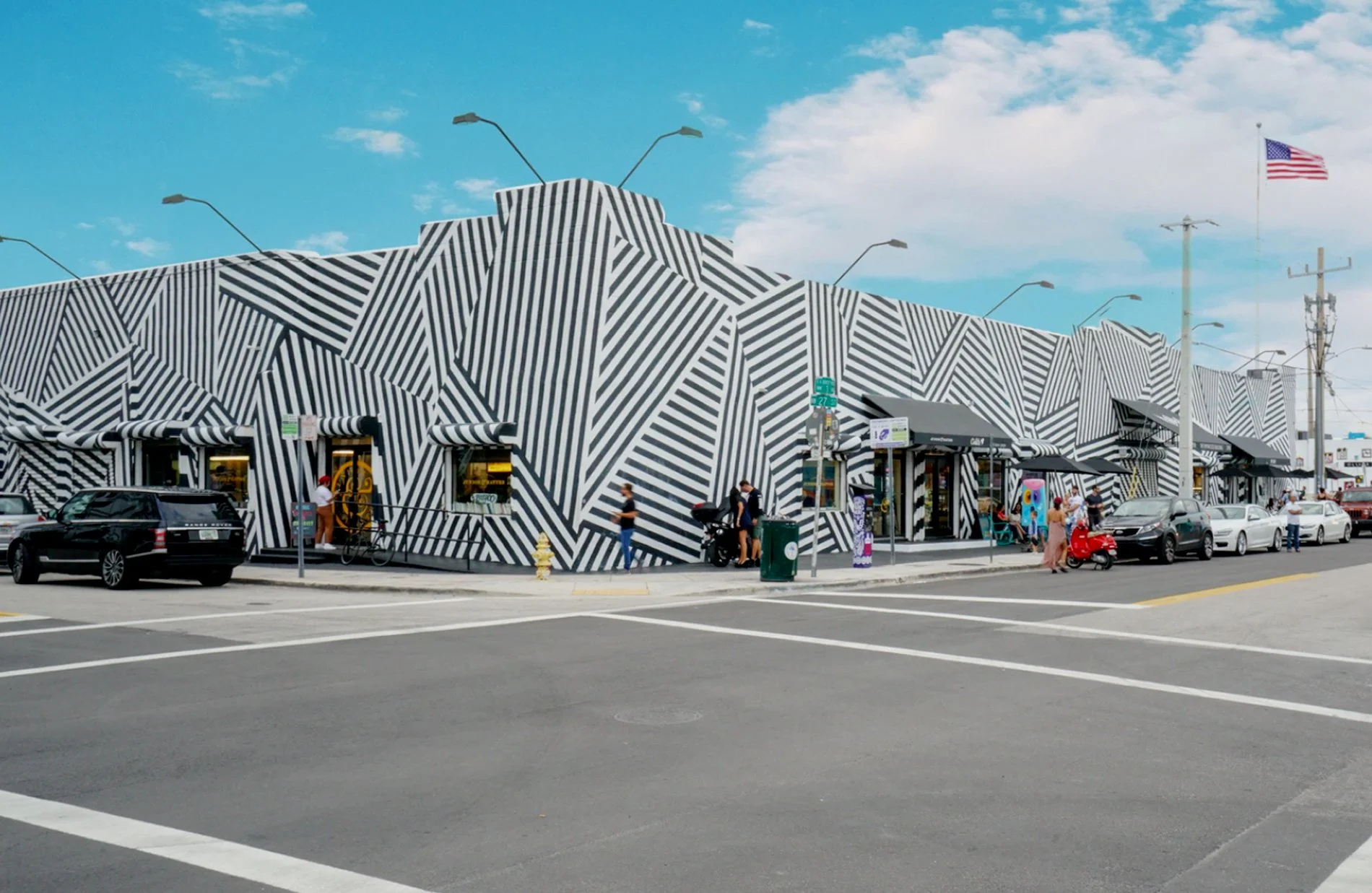
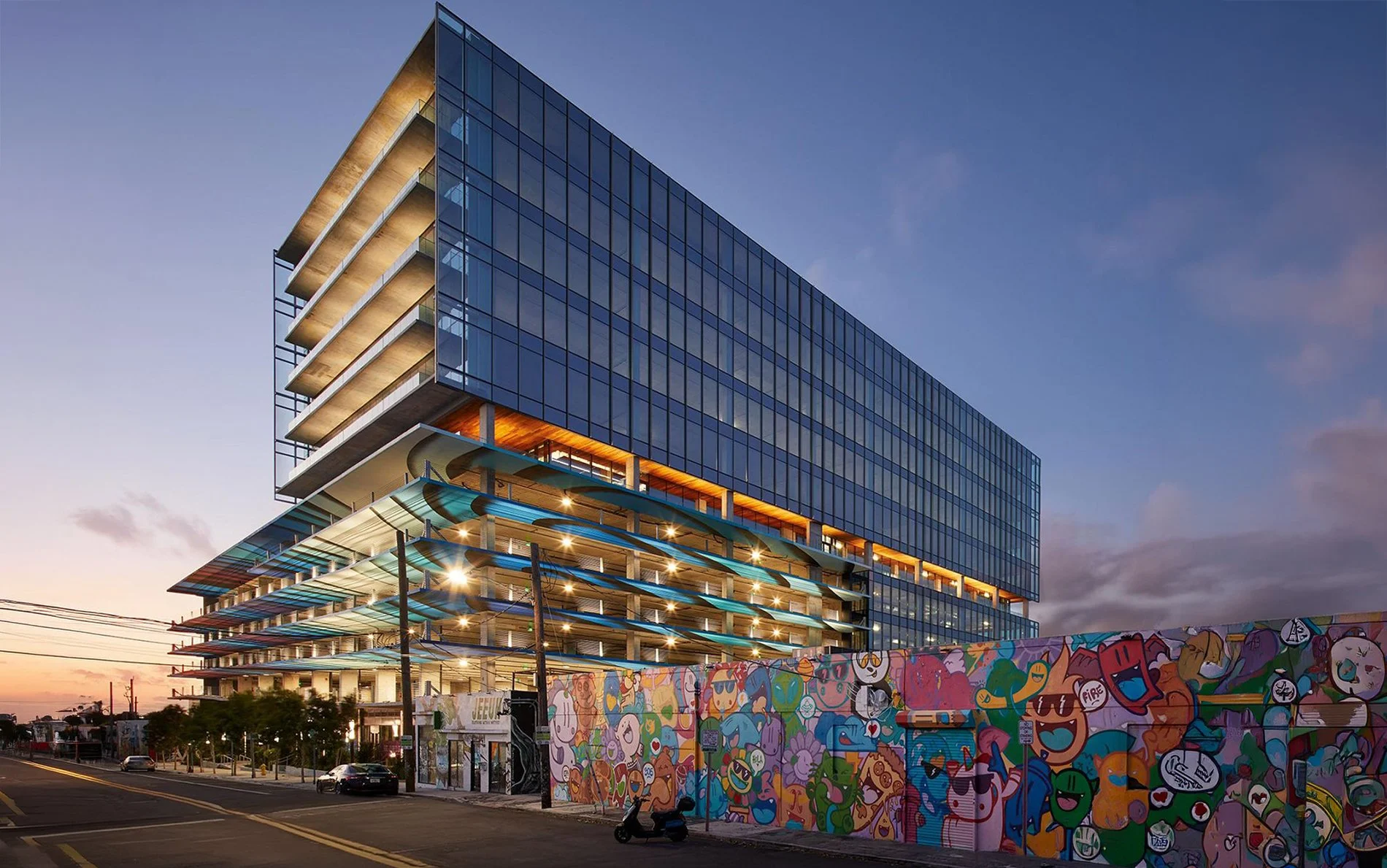
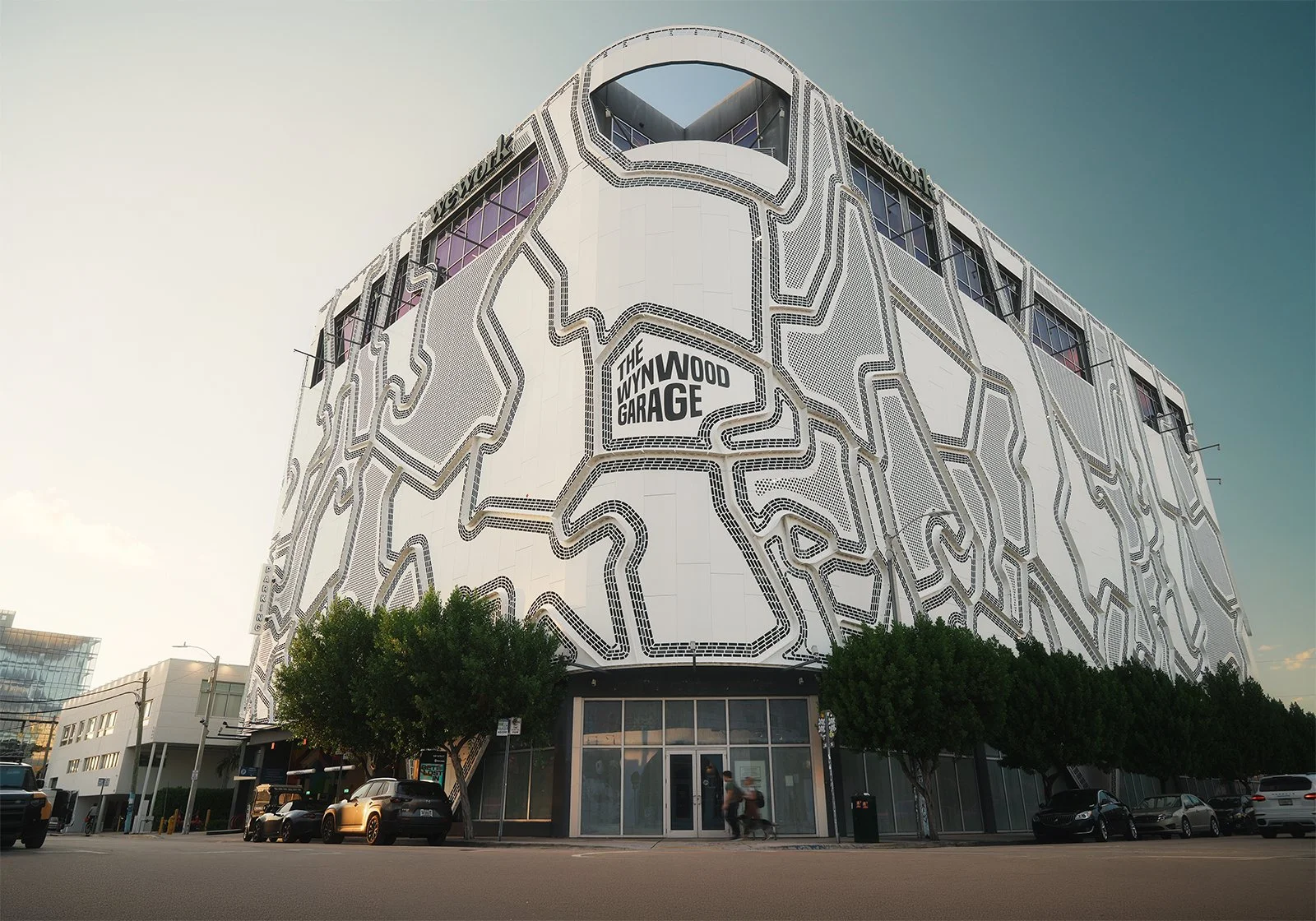
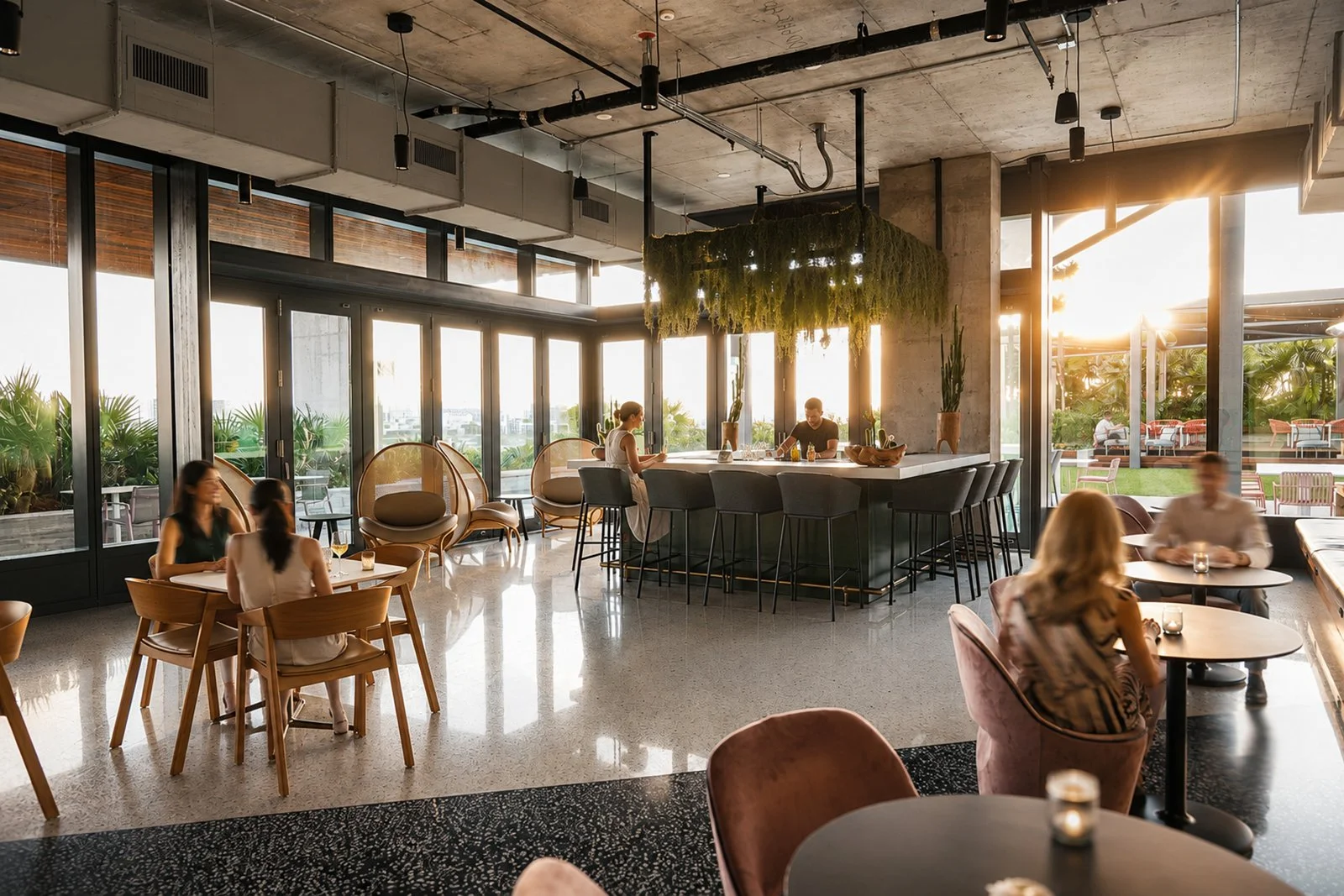
Warehouses were converted into creative retail, restaurants, and office spaces. Public realm improvements — widened sidewalks, lighting, landscaping, and the Wynwood Garage — made the neighborhood more accessible, while bold gestures like the striped Wynwood Building created an instantly recognizable identity.
TENANT CURATION
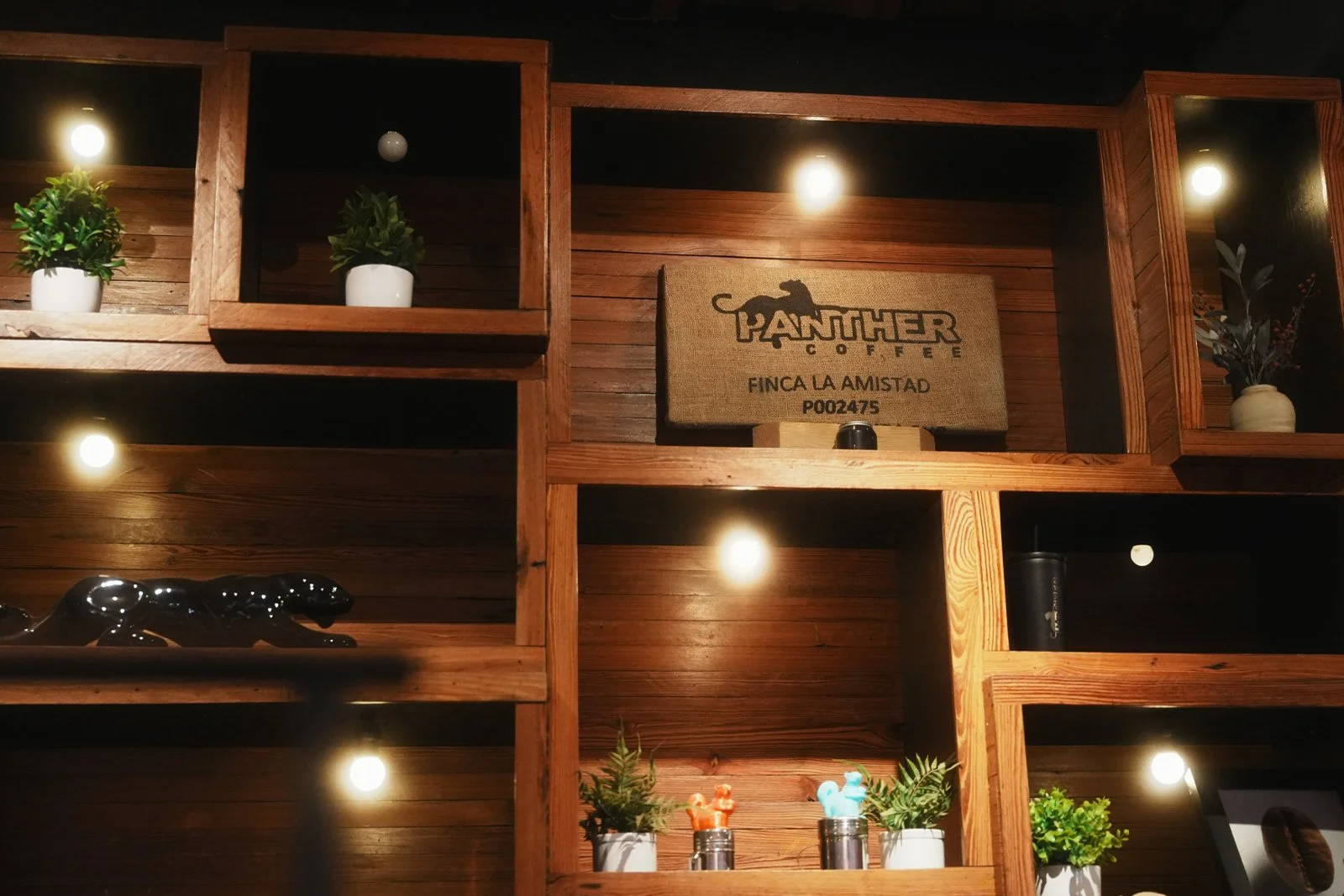
Early tenants were not selected solely on financial terms. Neighborhood anchors like Panther Coffee and Zak the Baker received favorable leases and direct investment, creating destinations that drew people from across the city. Today, nationally acclaimed restaurants such as Uchi, Bakan, and Pastis have followed, and Wynwood has become an established culinary hub.
POLICY AND GOVERNANCE
The Wynwood Business Improvement District, in collaboration with the City of Miami, led a comprehensive planning and rezoning effort. The resulting master plan, adopted in 2014, aligned land use, density, mobility, and public space with the district's lived reality — protecting character while enabling growth.
STRATEGY
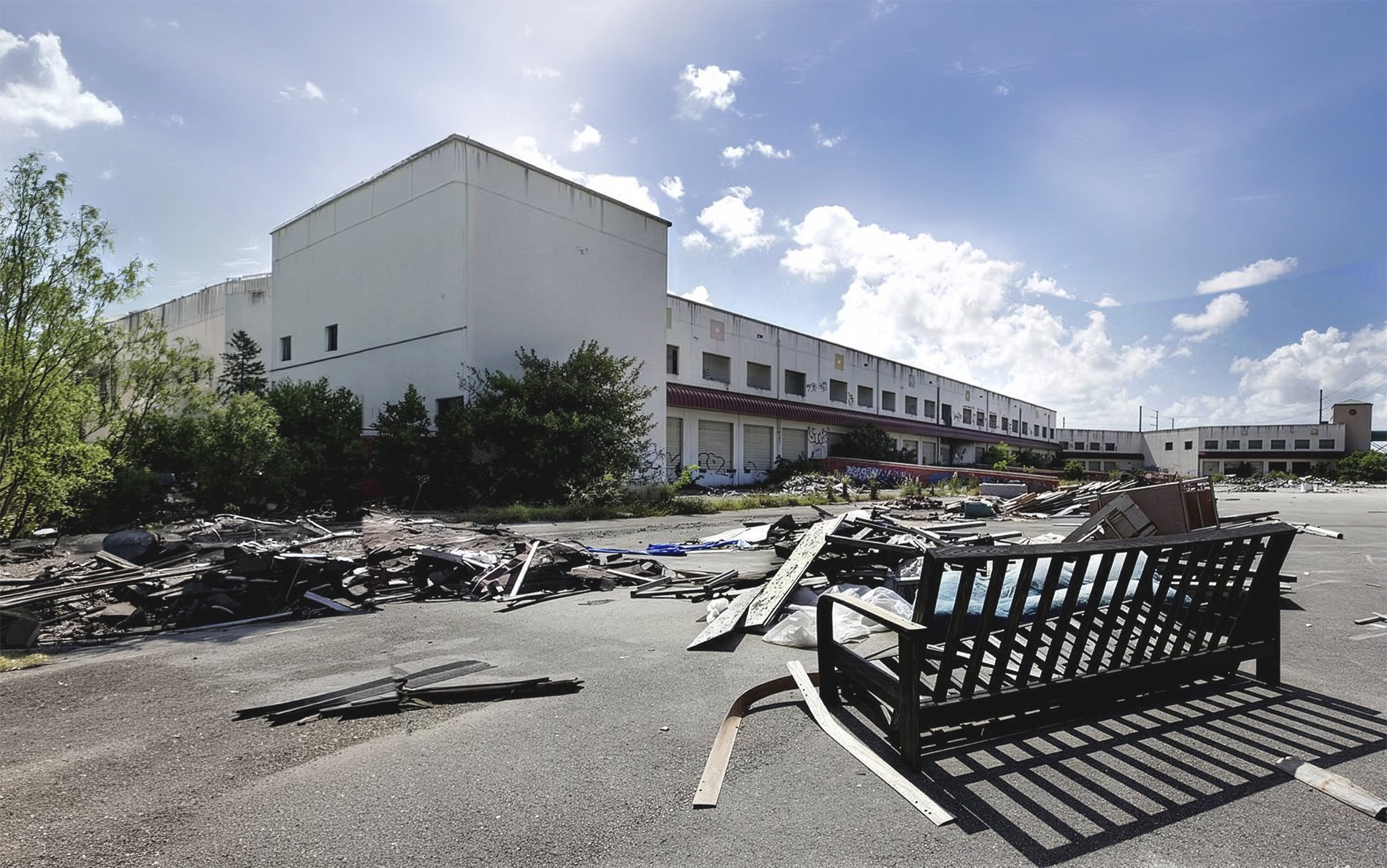
Approved by the City Commission in 2022, the Nora District Master Plan, created with PlusUrbia and the City of West Palm Beach, preserves the neighborhood’s human‑scale commercial spine and residential core while introducing more than 2 million square feet of future mixed‑use development.
OUTCOMES & IMPACT
A MODEL FOR URBAN REVITALIZATION
Expand each our capabilities to learn more.
-
Early placemaking efforts — combined with thoughtful policy reform — helped catalyze billions of dollars in private investment, repositioning Wynwood as one of Miami's most active and valuable urban districts.
-
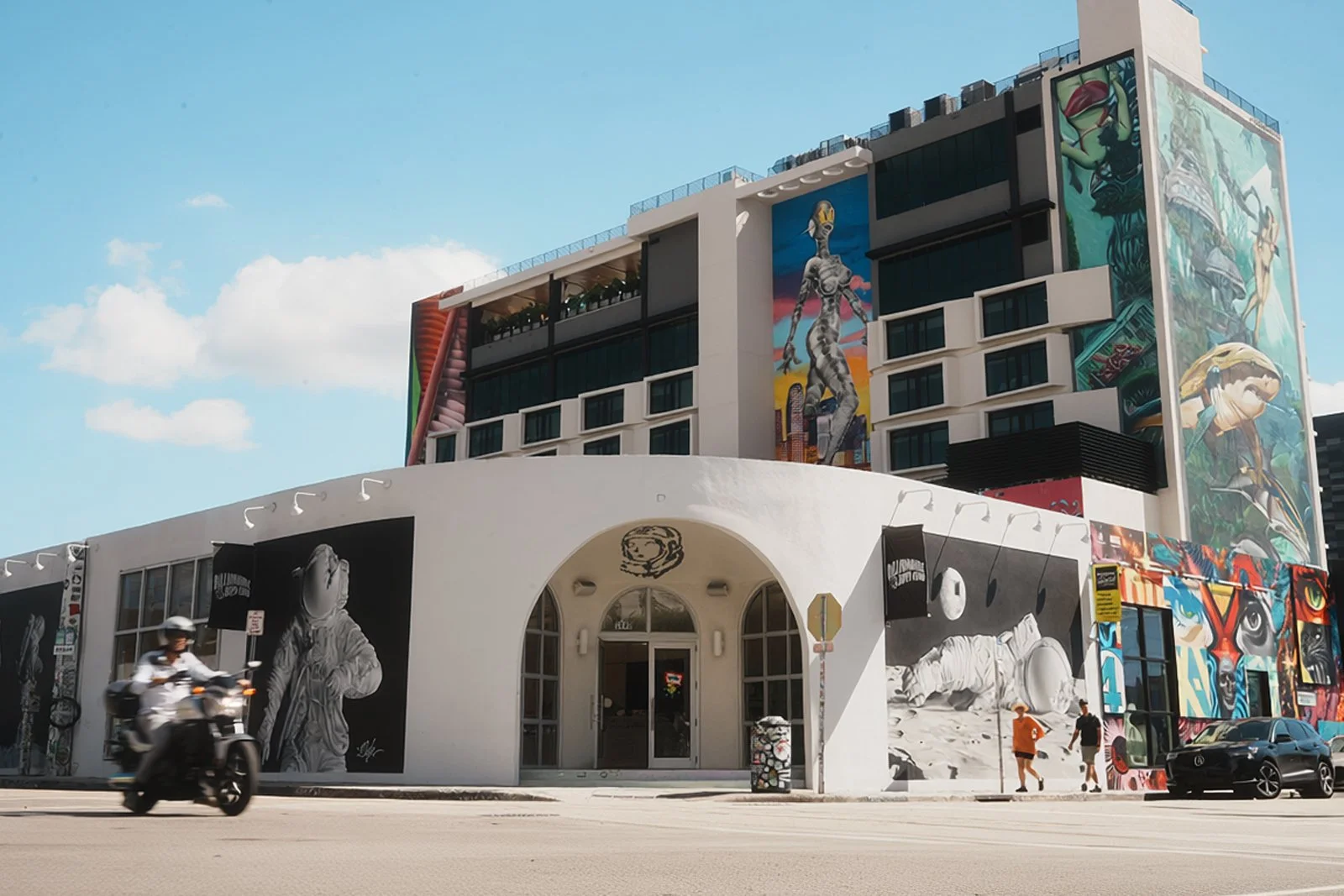
Adaptive reuse projects such as the Wynwood Building and the Wynwood Walls redefined the neighborhood's identity, while entrepreneurs like Panther Coffee and Zak the Baker grew from early pioneers into nationally celebrated institutions.
-
Wynwood achieved international recognition as one of the world's most visited arts districts, drawing hundreds of thousands of visitors annually while remaining a meaningful gathering place for Miami locals.
-
The Wynwood Neighborhood Revitalization District established a precedent for arts-focused zoning and district-scale governance — a model that has since informed planning conversations well beyond Wynwood.

TODAY, WYNWOOD STANDS AS A MODEL FOR URBAN REVITALIZATION, CONTINUING TO INFORM AND INSPIRE DEVELOPERS, ARTISTS, AND POLICYMAKERS WORLDWIDE.
EXPLORE WYNWOOD